
Lancaster and the surrounding DFW area sit squarely in one of the most active hail corridors in the United States. Significant hail events roll through Dallas County every year, and the damage they leave behind isn’t always obvious from the ground. Wind-lifted shingles, bruised roofing material, cracked ridge caps, and damaged flashing can all result from a single storm, and each one is a potential entry point for water.
Our team specializes in storm damage assessment and repair for homes and commercial buildings across Lancaster and southern Dallas County. We know what hail and wind damage looks like at every stage, how to document it properly for insurance purposes, and how to restore your roof efficiently so you’re not left exposed.
How Hail Damages Roofs in the Lancaster, TX Area
Hail impact affects roofing materials in ways that are not always visible without a close inspection from the roof surface itself.
Granule Displacement and Bruising on Asphalt Shingles
When hailstones strike asphalt shingles, they knock granules loose and bruise the underlying asphalt mat. The bruising creates a soft spot that cracks under thermal cycling, heat expansion and cold contraction, over the following months. A roof that looks intact after a storm can develop active leaks six to eighteen months later from hail damage that was never addressed.
Cracked Tile and Slate
Tile and slate roofing materials are particularly vulnerable to hail impact. Cracks may run through the body of the tile without displacing it, making damage difficult to spot from the ground but fully open to water intrusion at the crack line.
Dented Metal Components
Metal flashing, drip edge, gutters, downspouts, and metal roofing panels all show impact marks from hail. Gutters and downspouts with multiple impact dents are frequently cited by insurance adjusters as primary evidence of a qualifying hail event.
Wind Damage — Lifted and Missing Shingles
High winds, even those that don’t meet severe storm classification, can break the adhesive seal on shingles, particularly at the roof edges, ridge, and hip lines. Once the seal strip is broken, shingles lift in subsequent wind events and water gets beneath them with every rain.
Our Storm Damage Roof Repair Process in Lancaster
Free Storm Damage Inspection
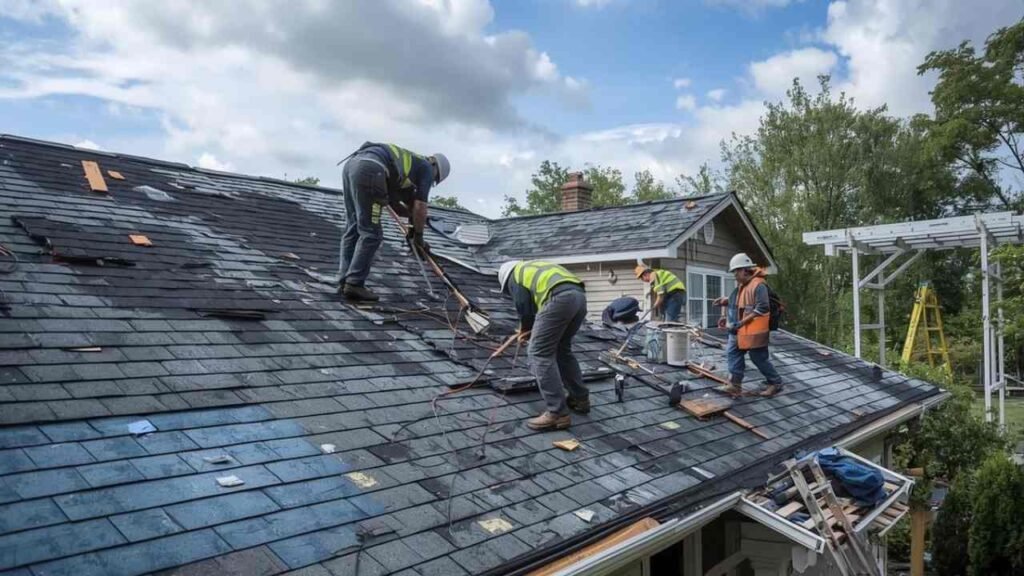
We inspect your roof as soon as possible after a storm event. Our inspection covers the full surface, all metal components, gutters, downspouts, skylights, and every penetration on the roof. We document everything with detailed photographs from the roof level, not just ground-level images.
Damage Report and Insurance Documentation
If the damage qualifies for an insurance claim, we provide you with a comprehensive written damage assessment and photo documentation that meets insurance company standards. We’ve worked with adjusters from all major carriers operating in the Dallas-Fort Worth area and understand what documentation they need to process a claim efficiently.
Insurance Adjuster Coordination
When your adjuster schedules their inspection, we can be present to walk through our findings and ensure nothing is overlooked. Storm damage claims in Texas are time-sensitive, most policies have filing deadlines, and having a contractor present during the adjuster’s inspection frequently makes a meaningful difference in claim outcomes.
Repairs or Full Replacement
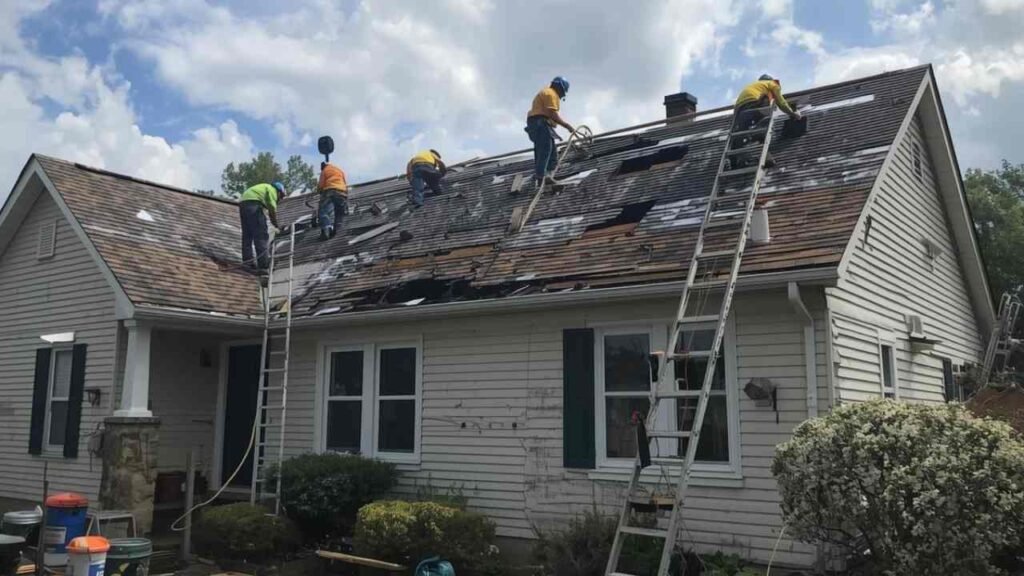
Depending on the scope of damage, storm response ranges from targeted repairs, replacing damaged sections, resealing flashing, replacing pipe boots, to a full insurance-funded replacement when damage is widespread enough to qualify. We complete whatever the situation requires, using materials that match your existing roof and meet manufacturer specifications.
How Long Do You Have to File a Storm Damage Claim in Texas?
Texas law generally allows one year from the date of the storm to file a property insurance claim for storm damage, though individual policies may have different provisions. Do not wait. Even if you’re unsure whether you have a qualifying claim, a free inspection is the fastest way to find out, and it costs you nothing.
What If My Insurance Company Denies the Claim?
Claim denials happen, and they’re not always the final word. If your claim is denied or underpaid, there are options, including requesting a re-inspection, filing a complaint with the Texas Department of Insurance, or working with a public adjuster. We can advise you on the documentation side and help you understand what your options are, though for formal dispute representation you’d work with a licensed public adjuster or attorney.